CIA's Waterboarding Tactics Exposed as Far More Widespread Than Admitted
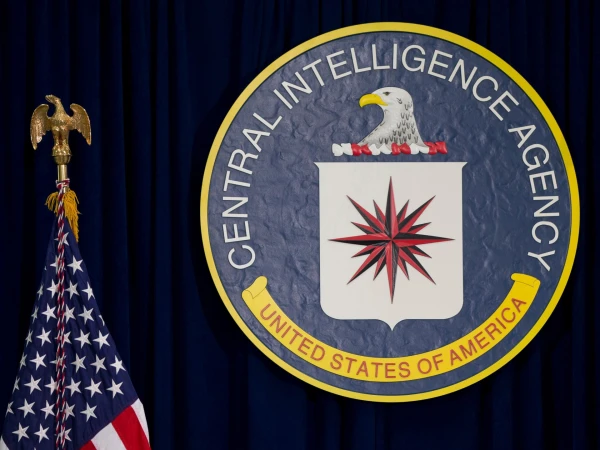
A damning new investigation by The New York Times has uncovered evidence that the Central Intelligence Agency (CIA) employed waterboarding—a controversial interrogation technique widely condemned as torture—far more extensively than previously acknowledged by U.S. officials.
The report, based on declassified documents and interviews with former intelligence personnel, suggests that the practice was not an isolated incident but part of a systematic approach to detainee interrogation during the post-9/11 era. While the CIA had long maintained that waterboarding was used on only three high-value detainees, the investigation reveals that the technique was applied to a broader range of prisoners, including lesser-known suspects held in secret overseas facilities.
"The scale of waterboarding was far greater than what the public has been led to believe. It was a tool used with alarming frequency, not just in rare, high-profile cases." — Former CIA official, speaking on condition of anonymity
The revelations come amid renewed scrutiny of the CIA’s detention and interrogation programs, which have faced bipartisan criticism for their brutality and ineffectiveness. Human rights organizations have long condemned waterboarding as a form of torture, citing its severe psychological and physical toll on victims. The practice involves simulating drowning by pouring water over a cloth covering the face, inducing a sense of suffocation and extreme distress.
Critics argue that the expanded use of waterboarding undermines the U.S. government’s commitment to human rights and international law. Senator Mark Warner, chairman of the Senate Intelligence Committee, has called for a full review of the agency’s past practices, stating, "If these reports are accurate, it represents a grave departure from American values and the rule of law."
The CIA has yet to issue a formal response to the Times report, but officials have previously defended the use of enhanced interrogation techniques as necessary for national security. However, the new evidence raises serious questions about the agency’s transparency and accountability in the years following the September 11, 2001, attacks.
Legal experts and advocates for detainee rights are now urging the Biden administration to reopen investigations into the CIA’s interrogation programs, with some calling for the prosecution of those responsible for authorizing and carrying out such practices. The revelations also highlight the ongoing debate over whether the U.S. should formally acknowledge and apologize for its use of torture during the so-called "War on Terror."