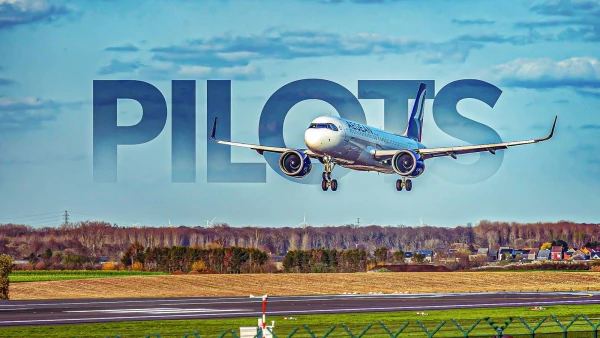
Transitioning from the Boeing 737 MAX to the Airbus A320neo isn’t just a change of aircraft—it’s a leap between two distinct eras of aviation design. While both planes serve the same purpose—carrying 150 to 180 passengers—their cockpits, control systems, and automation philosophies couldn’t be more different. For pilots making the switch, the differences are immediate, tangible, and often surprising.
A Tale of Two Cockpits
The A320neo’s cockpit is a product of the 1980s digital revolution. Designed as the world’s first fully fly-by-wire narrow-body airliner, it features a spacious, modern layout with six primary LCD screens and side-mounted sidestick controllers. The cockpit width stretches to 12 feet and one inch (3.7 meters), offering pilots ample shoulder room and a less cramped workspace. Airbus’s centralized, screen-focused interface streamlines system monitoring, but it also demands a shift in how pilots scan their instruments and maintain situational awareness.
By contrast, the 737 MAX’s cockpit is a relic of 1960s engineering, layered with modern upgrades. Its control yoke and traditional mechanical linkages—augmented by hydraulic power—provide a direct, tactile connection between pilot input and aircraft response. The layout reflects decades of incremental evolution, with a more fragmented instrument panel that can feel cluttered compared to the A320neo’s sleek design.
Sidestick vs. Yoke: The Control Divide
Airbus pilots fly with a sidestick, a small, fixed controller mounted to the side of the seat. Unlike a traditional yoke, the sidestick doesn’t move in sync with the aircraft’s control surfaces. Instead, it sends electrical signals to flight control computers, which interpret and execute commands. With a maximum deflection of just 16 degrees laterally and 20 degrees longitudinally, the sidestick offers precision but lacks the physical feedback of a yoke.
Boeing’s 737 MAX, on the other hand, retains a conventional control setup. Pilot inputs travel through cables, pulleys, and linkages, amplified by hydraulic systems. This mechanical linkage ensures a continuous, physical relationship between the pilot’s hands and the aircraft’s control surfaces—a feature that some pilots describe as more "connected" and intuitive.
Fly-By-Wire vs. Traditional Controls: Safety vs. Authority
The A320neo’s fly-by-wire system is a cornerstone of its design. Pilot inputs are converted into electrical signals and processed by redundant flight control computers, which enforce strict flight envelope protections. These protections prevent stalls, overspeeds, and excessive bank or pitch angles, even in extreme conditions. If a system failure occurs, the aircraft’s "control laws" progressively reduce protections, gradually returning control to the pilot.
The 737 MAX, however, operates with a more traditional control philosophy. While it includes alerts and augmentation systems—like a stick shaker for stall warnings—it imposes no hard limits on pilot input. Pilots retain full authority, relying on training and procedural discipline to stay within safe parameters. This approach prioritizes pilot skill and situational awareness over automated restrictions.
Automation: Airbus’s Protective Embrace vs. Boeing’s Hands-Off Approach
Airbus’s automation is designed to shield pilots from dangerous situations. The A320neo’s Electronic Centralized Aircraft Monitor (ECAM) continuously tracks thousands of system parameters, automatically generating step-by-step procedures when a fault occurs. The aircraft’s alerts and aural warnings guide pilots through resolutions, reducing cognitive load but potentially limiting their direct involvement in troubleshooting.
Boeing’s 737 MAX, meanwhile, keeps pilots more deeply engaged in the decision-making process. While the aircraft provides warnings and alerts, it doesn’t walk pilots through procedures. Instead, crews must diagnose issues and reference checklists, reinforcing their system knowledge and procedural discipline. This approach can feel more demanding but also more empowering for pilots who prefer hands-on control.
Flight Feel: Stability vs. Tactile Feedback
The handling characteristics of the two aircraft further highlight their differences. The 737 MAX’s split-tip winglets and larger wingspan (117 feet and ten inches) contribute to a flight feel that changes with speed and configuration. The aircraft’s control response is consistent but can feel less tactile, with hydraulic assistance smoothing out inputs.
The A320neo, by contrast, offers a more stable and predictable flight experience. Its fly-by-wire system filters out turbulence and provides a smoother ride, which some pilots prefer for long-haul comfort. However, others miss the direct feedback of a traditional control setup, finding the Airbus’s handling less engaging.
The Bottom Line: A Matter of Preference
For pilots transitioning between the Boeing 737 MAX and the Airbus A320neo, the differences are undeniable. Airbus’s digital, protective approach appeals to those who value automation and system integration, while Boeing’s traditional, authority-focused design resonates with pilots who prioritize tactile feedback and hands-on control. Both aircraft meet rigorous certification standards, but their philosophies shape pilot behavior—and preferences—in distinct ways.