Riyadh’s glittering skyline, once a magnet for global executives and high-profile events, now stands as a stark reminder of a tourism sector in freefall. The kingdom’s most lucrative quarter—traditionally powered by corporate retreats, luxury conferences, and international flights—has been shattered by a relentless campaign of Houthi missile strikes targeting the capital’s economic heart.
The assault began in earnest on October 8, when an attack on King Khalid International Airport crippled air traffic, grounding 86% of scheduled flights within weeks. The damage was immediate: October hotel occupancy plummeted to just 34.3%, a staggering 34.7 percentage points below last year’s figures, according to CoStar’s STR data. Average daily rates tumbled by nearly 30% to $190, while revenue per available room (RevPAR) collapsed by 65.1% to a mere $65. The ripple effects spread to neighboring cities—Dammam and Jeddah saw their RevPAR drop by roughly a quarter—but Riyadh bore the brunt of the devastation.
“November and December do not look promising at all. Local, regional, and international events—the lifeblood of Riyadh’s peak season—are simply not happening.” — Turab Saleem, CEO of a leading hospitality consultancy
The strikes have not been indiscriminate. The latest assault on November 24 targeted the King Abdullah Financial District, a symbol of Saudi Arabia’s economic ambitions. Analysts warn this is no accident. “The Houthis are deliberately targeting economic hubs to inflict maximum pain,” said Ameneh Mehvar, Middle East senior analyst at ACLED. “This is about more than disrupting oil flows—it’s an attempt to throttle Saudi Arabia’s diversification drive.”
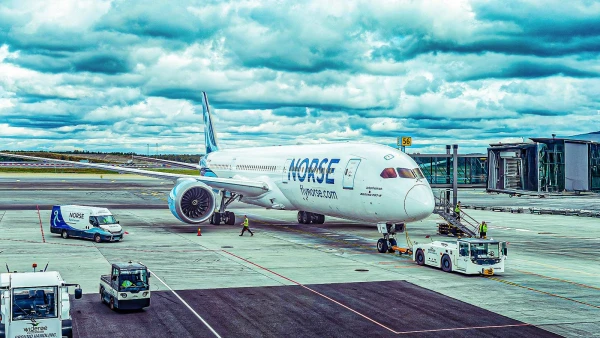
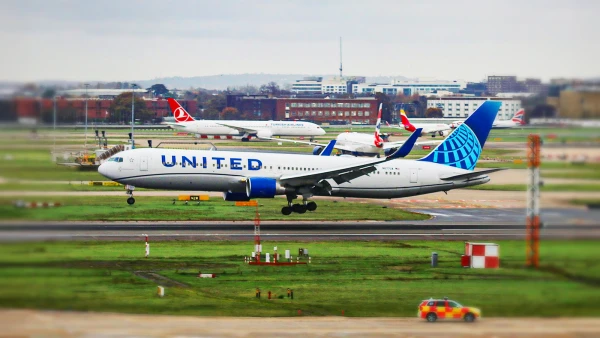
The fallout extends far beyond empty hotel rooms. Ten major events, including the prestigious Future Investment Initiative (FII), have been postponed, canceled, or relocated since October. The FII, a cornerstone of Saudi Arabia’s Vision 2030 strategy, has been pushed back a full year to October 2027. Airlines have followed suit: Air France won’t return until January 4, British Airways until January 11, and Cathay Pacific not until January 31. Even Delta’s much-anticipated Atlanta-Riyadh route, originally slated for launch this year, has been delayed until March, with Singapore Airlines’ service pushed to late March.
The economic toll is mounting. Finance Minister Mohammed al-Jadaan has conceded that Saudi Arabia’s GDP will shrink by 2.1% this year, with inbound tourism down 7% since January. While domestic travel has provided some relief, it cannot compensate for the loss of high-spending international visitors. The kingdom, once poised to become a global tourism powerhouse, now faces a prolonged struggle to restore confidence—and occupancy rates.
For hoteliers, the path forward is fraught with uncertainty. With no major carriers expected to resume full operations before 2025, operators are slashing rates in a desperate bid to lure whatever guests remain. But even that may not be enough. As one industry insider put it, “We’re trading rate for occupancy, but occupancy itself is the real casualty.”