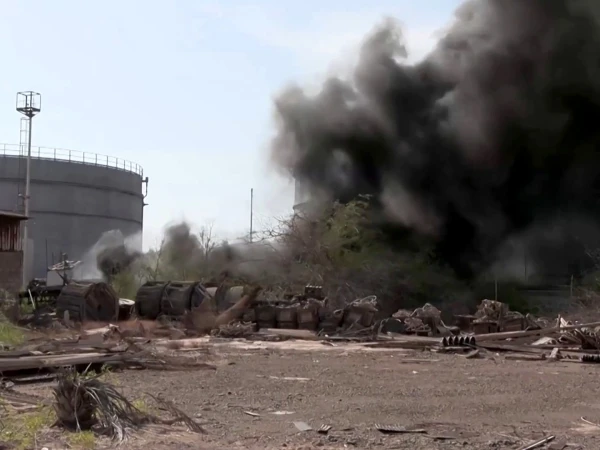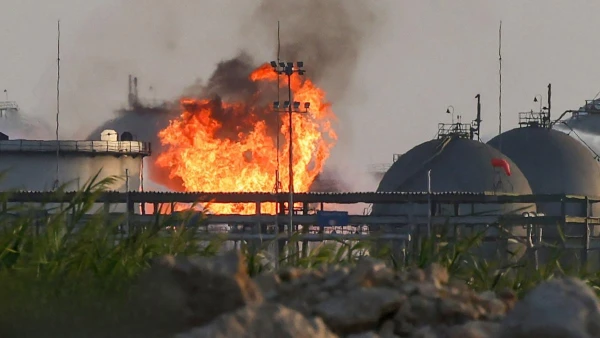
Saudi Arabia’s carefully cultivated image of stability is facing its sternest test in years as Houthi rebels, backed by Iran, intensify drone and missile strikes deep into the heart of the kingdom. What was once a distant conflict in Yemen’s rugged terrain has now erupted in the streets of Riyadh, Medina, and other major cities, shattering the illusion of invulnerability that Saudi Arabia has spent billions to project.
The October 10 attack on King Khalid International Airport was a grim awakening. Majid, a 25-year-old engineer for state oil giant Aramco, was rushing to catch a flight when the terminal erupted in chaos. He recalls seeing a bloodied man stumbling through the wreckage, screaming for help as injured passengers were rushed to first aid. "Some of them, I still don’t know whether they were alive or not," he says, his voice trembling. "The threat is real. But I will not let the Houthis make me feel unsafe in my own country."
"I went to him in shock, asking him, 'Are you OK?' I saw injured and unconscious passengers being taken to the airport's first aid clinic. Some of them, I still don't know whether they were alive or not." — Majid, Aramco engineer, describing the October 10 airport attack
For decades, Saudi Arabia has marketed itself as a haven of safety and progress, wooing investors with gleaming skyscrapers and bustling markets. But the Houthis’ relentless campaign is exposing the cracks in that narrative. In November alone, two of Riyadh’s most iconic buildings—the PIF Tower, Saudi Arabia’s tallest skyscraper, and the Aramco headquarters—were hit. The damage was swiftly repaired, erasing visible scars, but the psychological toll lingers.
On the streets of Riyadh, life goes on. Markets buzz with activity, families dine at restaurants, and children play in shopping malls. Yet beneath the surface, tension simmers. Badr, a local shopkeeper, insists he feels safe. "I sleep comfortably," he says, praising the kingdom’s security forces. But his words are punctuated by the sudden buzz of a phone alert—a warning of an incoming attack. Moments later, the sky erupts with the thunderous booms of Saudi air defenses intercepting missiles and drones.
For expatriates like Alex Malouf, a British resident of Saudi Arabia since 2006, the psychological strain is undeniable. His 11-year-old daughter has confided in him, saying, "Daddy, I’m scared." Malouf admits the constant alerts and attacks have shaken their sense of normalcy. "There have been times when my daughter has said that," he reflects. "It has been something which I think has shaken our reality."
Meanwhile, the humanitarian crisis in Yemen worsens. Abu Khalil, a Yemeni refugee selling socks on Riyadh’s streets to send money home, fled Sanaa after the Houthis tightened their grip. "I ran away from the Houthis but I couldn’t bring my family with me," he says, his voice breaking. "May God protect them." His story is a stark reminder of the human cost of a war that has spilled across borders.
Saudi Arabia’s government has vowed to take "all necessary measures" to defend itself, condemning the attacks as "terrorist" strikes on civilian and economic targets. Yet the Houthis show no signs of relenting. Their recent offensive in western Yemen has captured territory along the Red Sea coast, threatening critical supply routes and tightening the noose around government-held areas like Taiz.
As the kingdom grapples with this new reality, one thing is clear: the Houthis’ campaign is not just a military challenge but a test of Saudi Arabia’s ability to maintain its carefully crafted image of security and stability in an increasingly volatile region.