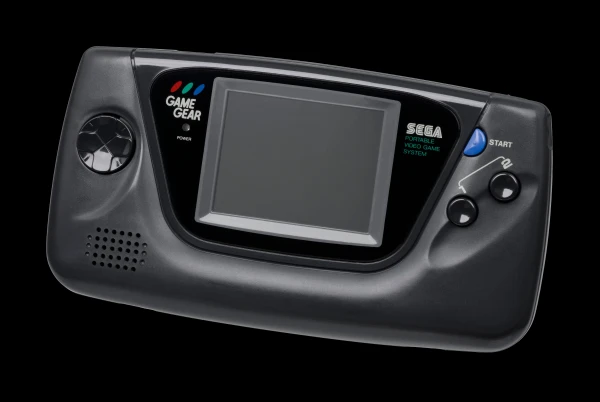
Thirty-five years ago, Sega launched the Game Gear in North America, a handheld console that, despite being a commercial failure, left an indelible mark on the gaming industry. The device, released in 1991, was Sega's ambitious attempt to compete with Nintendo's dominant Game Boy. It featured a full-color backlit screen, a landscape design, and the ability to play Game Gear cartridges as well as Master System games via an adapter. However, its heavy price tag, short battery life (six AA batteries lasted only three to six hours), and bulky form factor ultimately led to its demise.
Yet, the Game Gear's influence is undeniable. It pushed the boundaries of what a portable gaming device could be, proving that there was a demand for color displays and more powerful hardware on the go. The device's failures taught future designers crucial lessons about balancing performance with portability and battery efficiency. Today's handhelds, like the Nintendo Switch and Steam Deck, owe a debt to the Game Gear's pioneering spirit. They successfully meld console-quality gaming with handheld convenience, thanks in part to the trail blazed by Sega's ill-fated machine.
Despite selling only 10.62 million units—a fraction of the Game Boy's 118.7 million—the Game Gear remains a beloved piece of gaming history for its ambitious design and impressive library of games. Its 35th anniversary serves as a reminder that even failures can sow the seeds for future success.