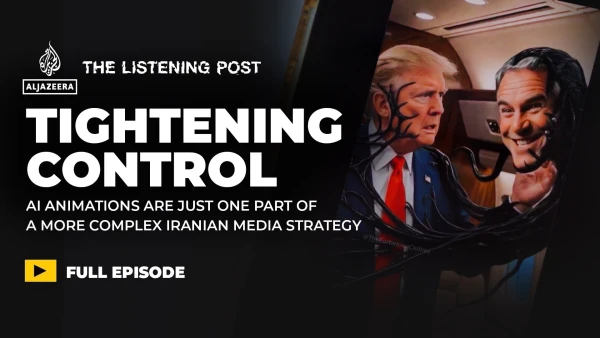
Iran is waging an increasingly sophisticated information war, leveraging everything from children’s toys to advanced artificial intelligence to shape narratives and tighten control over the digital sphere. This multi-pronged approach reflects Tehran’s recognition that the battle for hearts and minds is as crucial as any military confrontation.
At the grassroots level, Iranian authorities have been distributing Lego sets designed to promote religious and revolutionary themes to children, embedding state ideology from an early age. These toys, often depicting scenes from the Iran-Iraq war or Islamic prayers, are part of a broader effort to counter Western cultural influence.
But the most significant evolution is in the realm of AI. Iran has developed sophisticated deepfake technology and automated bots to amplify propaganda, suppress dissent, and impersonate dissidents online. State-linked actors use AI to generate vast amounts of pro-government content, drowning out critical voices on platforms like Telegram, Instagram, and Twitter.
"The regime is using every tool in the box — from traditional censorship to cutting-edge AI — to ensure its narrative dominates," said a researcher at the University of Tehran, speaking on condition of anonymity.
This digital offensive has become more urgent since the 2022 protests, which were fueled by viral videos and social media organization. In response, authorities have accelerated internet shutdowns, blocked VPNs, and launched cyberattacks against opposition media.
Yet the cat-and-mouse game continues. While Iran tightens its grip, activists and tech-savvy citizens find new workarounds, using encrypted apps and decentralized platforms to bypass controls. The information war, it seems, is far from over.