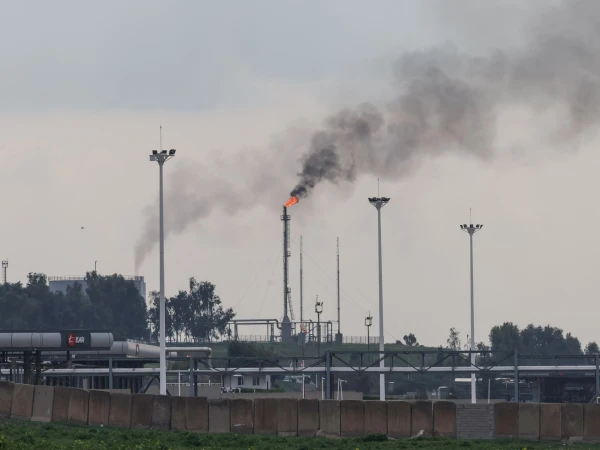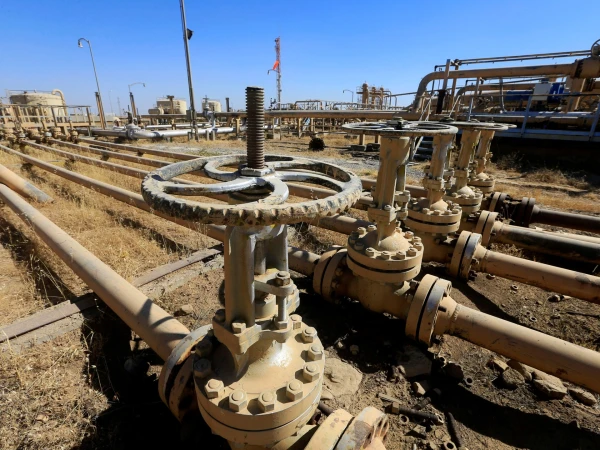
Iraq’s Prime Minister has issued a sweeping directive to take direct control of oil exports from the semi-autonomous Kurdistan region, escalating a long-simmering dispute over resource revenues and threatening to plunge the fragile nation back into instability. The move marks a dramatic escalation in Baghdad’s campaign to assert its authority over Kurdish-administered oil fields, which have operated independently for decades under a power-sharing agreement that has increasingly frayed.
The Prime Minister’s office confirmed the directive in a terse statement late Tuesday, declaring that all oil shipments from Kurdistan must now be routed through federal channels. The order bypasses the Kurdistan Regional Government (KRG) and its long-standing agreements with Baghdad, which have allowed the region to retain a portion of oil revenues in exchange for supplying the central government with a set quota of crude.
“The federal government will no longer tolerate unilateral actions that undermine Iraq’s unity and constitutional framework.” — Prime Minister’s Office spokesperson
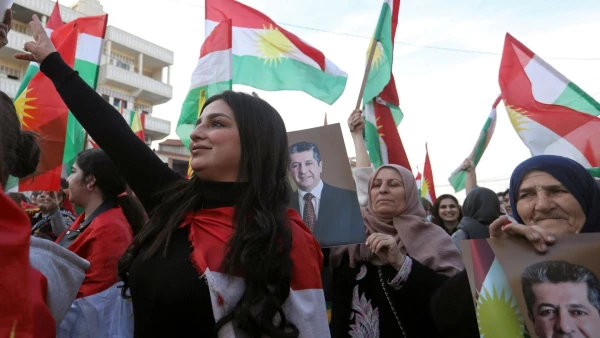
The decision comes amid mounting frustration in Baghdad over Kurdish authorities’ refusal to comply with federal budget allocations and their independent oil sales, which have siphoned off billions in potential revenue. Analysts warn the move could trigger a fresh wave of protests in Kurdistan, where regional leaders have vowed to resist what they call an illegal power grab.
Kurdish officials have not yet responded to the Prime Minister’s order, but local media reports suggest regional leaders are convening an emergency session to discuss countermeasures. The standoff threatens to reignite broader tensions between Iraq’s central government and its Kurdish minority, which has long sought greater self-rule but remains deeply divided over tactics and goals.
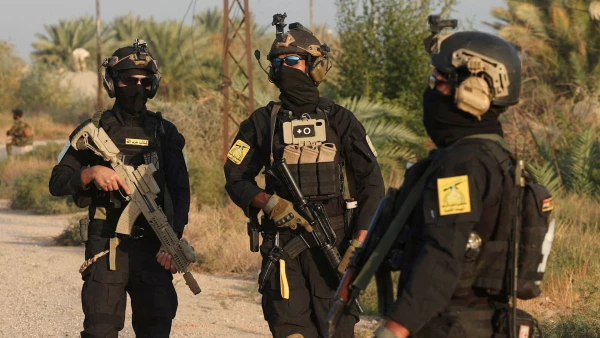
Analysts caution that the latest escalation could destabilize Iraq at a time when the country is already grappling with economic crisis, political paralysis, and the lingering threat of armed groups. The oil sector, Iraq’s economic lifeline, now faces the prospect of disruptions that could ripple across global energy markets.