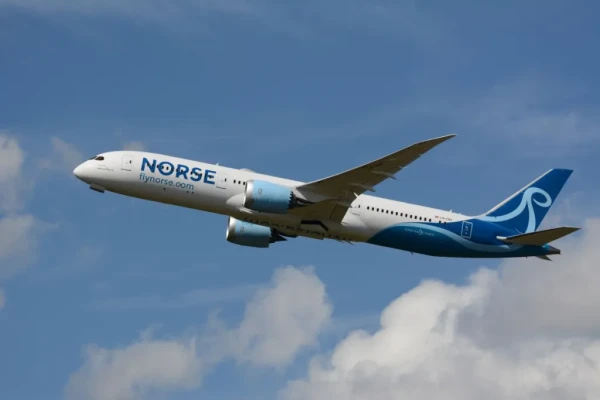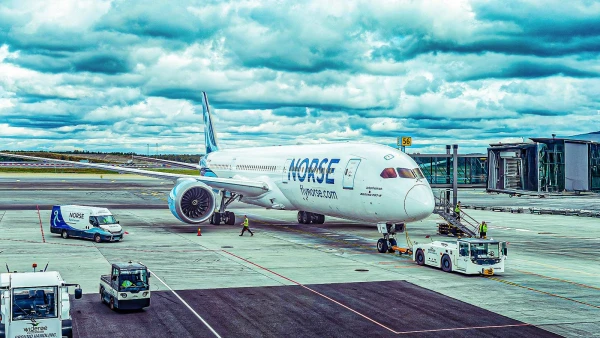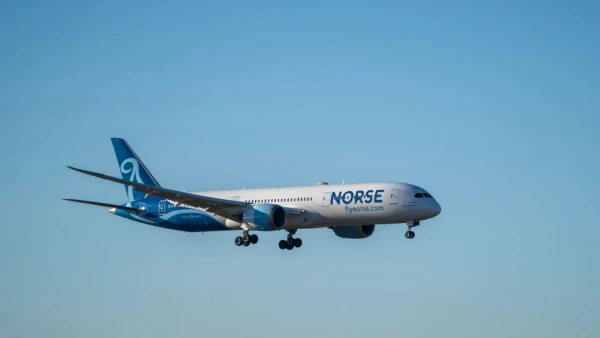
Norse Atlantic Airways has grounded its entire fleet and halted ticket sales after its Norwegian operating subsidiary filed for bankruptcy, leaving passengers stranded and partners scrambling for alternatives. The collapse marks the dramatic end of the low-cost, long-haul carrier’s ambitions, just days after it warned its financial situation was "critical."
The airline’s board confirmed in a stock exchange filing that the Norwegian subsidiary, Norse Atlantic Airways AS, had no viable path forward and resolved to file for bankruptcy. A local court will now appoint a trustee to oversee the process, though the parent company, Norse Atlantic ASA, and its UK-based arm remain outside the proceedings. The airline had suspended flights just a day earlier and described its financial health as dire, despite a strategic review launched in July and ongoing talks with bondholders.
"The board concluded there was no longer a basis for continued operations," Norse Atlantic said in a statement.
The fallout extends far beyond Norse’s own bookings. Pakistan International Airlines canceled two UK flights and deployed its own Boeing 777s to cover the routes, while P&O Cruises announced it was exploring alternatives for its UK–Caribbean fly-cruise charters, which had relied on Norse’s aircraft. The collapse also disrupts Norse’s "Airline on Demand" strategy, where it leased planes to other carriers under ACMI agreements.
A Pattern of Struggles in Long-Haul Low-Cost Aviation
Norse Atlantic’s demise adds to a long list of failed attempts to make low-cost, long-haul flying profitable. The airline, which launched in 2021 with a fleet of Boeing 787s, had aimed to disrupt transatlantic travel by offering budget-friendly fares. However, rising fuel costs, intense competition, and the financial strain of the COVID-19 pandemic proved insurmountable obstacles.
Efforts to salvage parts of the business are underway, but the immediate future looks bleak for passengers holding tickets and partners dependent on Norse’s aircraft. The bankruptcy filing leaves the parent company and UK subsidiary in limbo, with no clear path to restart operations.