Spain’s Polarized Election: Sánchez Warns of Right-Wing Threat as Far-Right Gains Ground
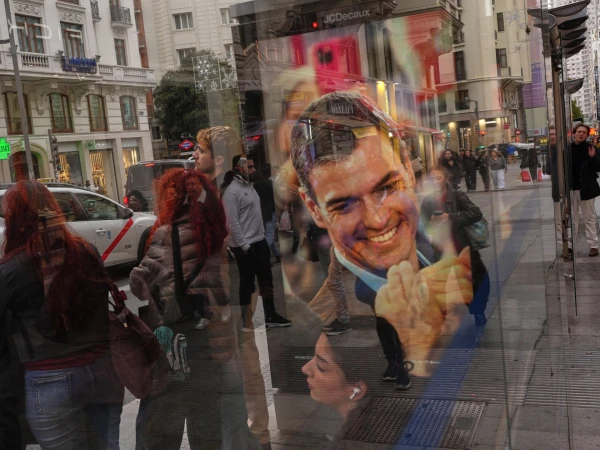
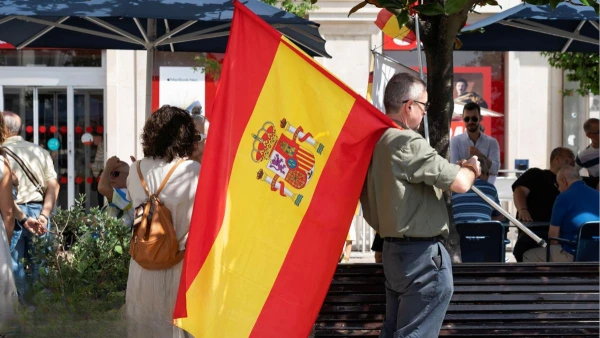
Spain’s general election on Sunday has exposed a nation deeply divided along ideological lines, with Prime Minister Pedro Sánchez issuing a stark warning about the consequences of a potential right-wing coalition government.
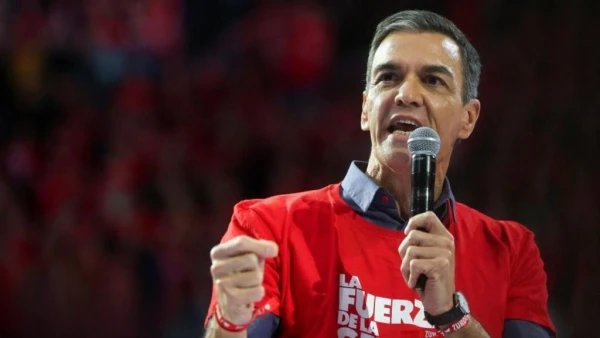
Speaking to supporters in a wrestling ring on the island of Tenerife, Sánchez drew parallels between the policies of former U.S. President Donald Trump and leaders like Brazil’s Jair Bolsonaro and Argentina’s Javier Milei, questioning whether their leadership had been a force for progress or regression. "If we don’t want that for the world, why would we want it for our own country?" he asked, framing the election as a battle for Spain’s democratic future.
The conservative People’s Party (PP) currently leads in most polls, with projections suggesting it could form a governing coalition with the hard-right Vox party—a prospect that has alarmed Sánchez and his allies. The political climate in Spain has grown increasingly toxic, with both sides accusing the other of undermining democracy. The PP and Vox have repeatedly cast doubt on the integrity of postal votes and ballots cast by Spaniards abroad, alleging potential government manipulation to sway the election in their favor.
Sánchez, a vocal advocate for feminism, immigration, and green energy, has cultivated an image as Europe’s most uncompromising left-wing leader. His outspoken criticism of Israel’s military actions in Gaza and his public clashes with Trump have further solidified his reputation among the international left. Yet within Spain, he has become a polarizing figure, with critics on the right portraying him as an autocrat who disregards the separation of powers and surrounds himself with corrupt associates.
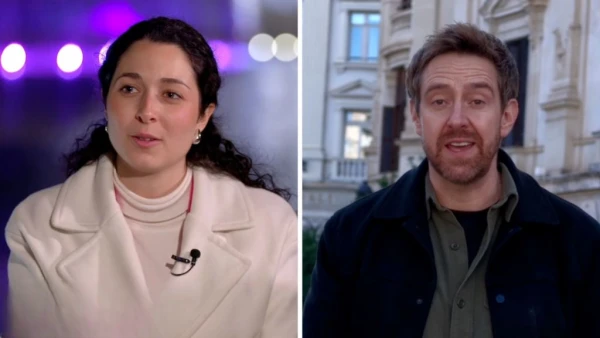
"I think Sánchez has lost credibility with all the corruption cases. It seems that everyone in government is involved… so I’m not sure I want them to continue governing." — María Pérez, a young office worker
The prime minister’s reliance on hard-left and separatist parties has fueled the right’s hostility. In 2023, Sánchez secured his investiture by striking a controversial deal with Together for Catalonia (Junts), offering amnesty to Catalans involved in the failed 2017 independence bid. The PP’s Alberto Núñez Feijóo condemned the move as a betrayal, accusing Sánchez of "buying" his position in power.
Sánchez’s tenure has also been marred by a series of corruption scandals involving close associates. His former ally José Luis Ábalos was sentenced to 24 years in prison for corruption, while his wife, Begoña Gómez, faces trial for influence peddling. Critics argue that these cases have eroded public trust, with many voters questioning the government’s credibility.
The right’s accusations of corruption extend beyond Sánchez’s inner circle. Allegations that he has co-opted state institutions, such as the national broadcaster RTVE and the CIS polling center, have further fueled tensions. Meanwhile, the PP and Vox have warned of a potential erosion of civil rights if they come to power, pointing to regional policies implemented by Vox-led administrations as a warning of what’s to come.
In Castilla y León, Vox has canceled cultural events and restricted funding for projects deemed to promote "ideological indoctrination," including a play about left-wing poet Federico García Lorca, who was executed by right-wing forces during the Spanish Civil War. Spain’s culture minister, Ernest Urtasun, condemned the move as "an intolerable attempt at censorship."
For many on the left, the rise of Vox evokes dark memories of Francisco Franco’s dictatorship. "These political messages take us back to the Franco era by talking about getting rid of basic civil rights regarding women, gender equality, and immigration," said Susana Fuertes, a schoolteacher who plans to vote for the left. "All of this has been said in such an aggressive tone, with insults and lack of respect for people who don’t share the same ideas."
As Spain prepares to cast its ballots, the election has become less about policy and more about identity—pitting those who see Sánchez as a defender of progressive values against those who view him as a corrupt opportunist. With the far right poised to enter government for the first time in democratic Spain, the stakes could not be higher.