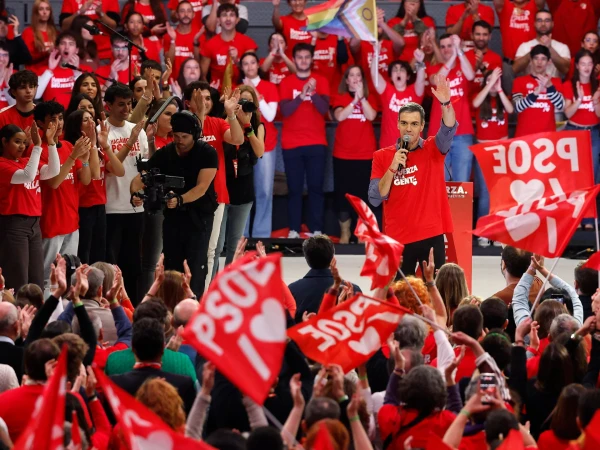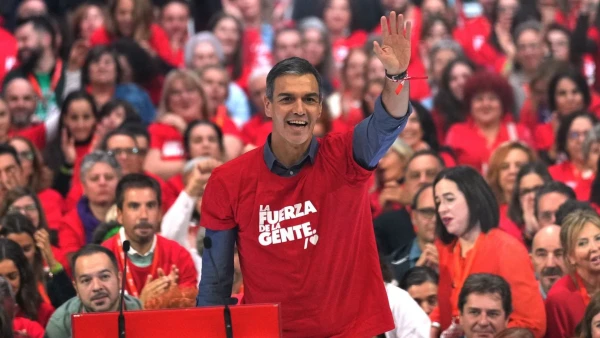
Spain has cast its ballots in a pivotal snap election that could end decades of left-wing governance, marking a potential turning point in the country’s political landscape. The vote, held amid rising economic anxiety and deep societal divisions, saw the conservative People’s Party (PP) and far-right Vox party consolidate their strongest showing yet. With nearly all ballots counted, early projections suggest a right-wing coalition could secure a majority, signaling the first right-leaning government since the 1970s.
The election was called after Prime Minister Pedro Sánchez’s socialist government lost its parliamentary majority, leaving Spain in a prolonged period of instability. The campaign was dominated by heated debates over inflation, unemployment, and the country’s strict immigration policies. The PP, led by Alberto Núñez Feijóo, campaigned on promises of economic recovery and stricter border controls, while Vox’s Santiago Abascal pushed for a hardline stance on separatism and national sovereignty.
"Spain is at a crossroads. We must choose between order and chaos, between recovery and decline." — Alberto Núñez Feijóo, leader of the People’s Party (PP)
Analysts warn that a right-wing coalition could reshape Spain’s relationship with the European Union, particularly on fiscal policy and migration. The outcome also raises questions about the future of progressive policies on social issues, including LGBTQ+ rights and climate action, which have been hallmarks of the outgoing government.
With the final results still trickling in, political observers are closely watching whether the right-wing alliance can deliver on its promises—or if the electorate’s frustration with the status quo will lead to further upheaval.