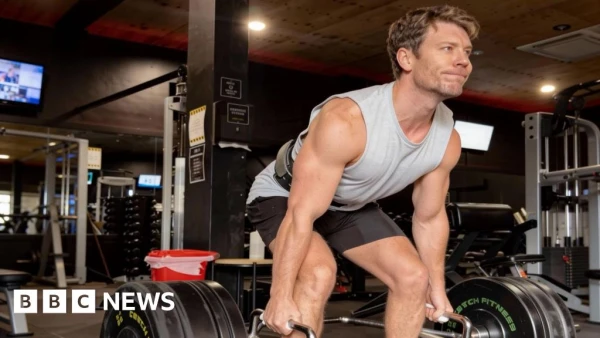
A growing group of health professionals and content creators is pushing back against the rise of extreme masculinity trends on social media. These influencers have qualifications in nutrition, medicine, or exercise science, and they aim to debunk the often dangerous advice promoted by so-called 'masculinity influencers'.
Dr Michael Mrozinski, a sports physician and rural doctor with 15 years of experience, describes the looksmaxxing trend as a 'monster' that has grown 'arms and legs'. 'It might have started as 'here's my gym routine, here's my skincare routine,' he said. 'But now it's turned into 'Here's how I make my cheekbones bigger – by smashing them with a hammer.'' He warns this can lead to bleeding, bruising, and soft tissue damage.
The movement's most prominent figure, known as Clavicular (real name Braden Peters), has promoted bone-smashing, crystal meth use for weight loss, and steroids for muscle gain. After collapsing during a live stream, he was hospitalized but has since returned home. Despite TikTok banning the term 'bone smashing', searches for related terms remain high among 18-24-year-old men, with some content targeting boys as young as 13.
James Brash, a registered nutritionist and content creator, is not against health advice but calls out 'influencer overreach'—the sharing of unsubstantiated or false claims. 'Physical activity is one of the best things that people can do to improve their health, if they are able to,' he said. 'But it's not sexy because it does not rely on fear or urgency.' He has posted videos fact-checking a range of wellness influencers, including one who claimed past generations had higher testosterone, which Brash says promotes 'sexism and homophobia'.
In response, some masculinity influencers defend their content as helping young men feel better. Steven Abelman, a self-proclaimed 'healthmaxxer', says he promotes a focus on masculinity and primal lifestyles, steering clear of risky methods. 'Society is turning men weaker and weaker, but what I'm promoting can really strengthen men,' he said.
Ben Hurst of Beyond Equality, an organization that works with young men on rethinking masculinities, argues for more diverse representations of manhood online. He believes that the communities formed around health and fitness can be a force for good, but they must be grounded in evidence and inclusivity.