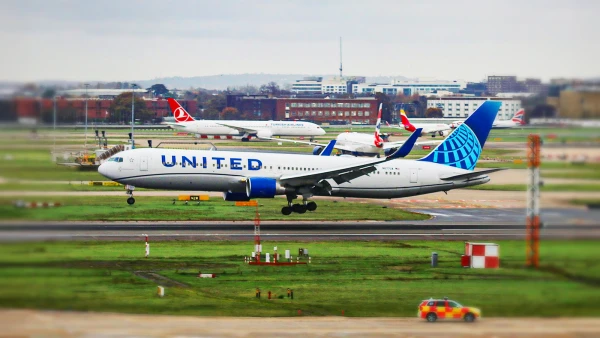
United Airlines has encountered a harsh reality in its ambitious push to connect the U.S. to Greenland. Despite launching nonstop flights between Newark Liberty International Airport and Nuuk International Airport in June 2025, the carrier is now grappling with plummeting passenger numbers—leaving over half of its seats empty during the peak summer season.
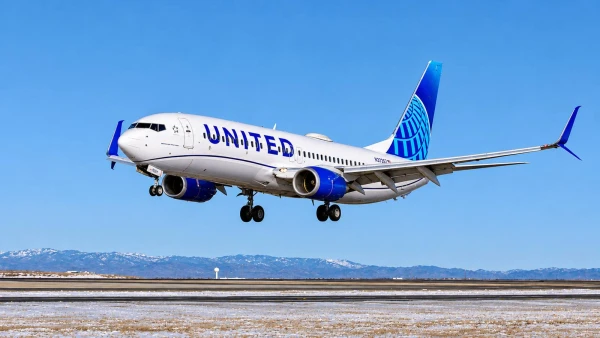
According to data from the U.S. Department of Transportation, United transported just 3,709 passengers across 48 flights between June and August 2026, a 5.2% decline from the previous year despite a 11.6% increase in available seats. The airline’s Boeing 737 MAX 8s, which seat 166 passengers, averaged just 77 travelers per flight, resulting in a dismal 46.5% load factor. This performance makes the Newark-Nuuk route United’s worst-performing transatlantic service by a wide margin, trailing even its other new European destinations like Glasgow and Santiago de Compostela.
The problem isn’t just demand—it’s infrastructure. Greenland’s tourism industry, despite the 2024 opening of a $300 million international airport in Nuuk, remains woefully underdeveloped. A capacity analysis commissioned by Visit Greenland found only 1,039 beds available across hotels, apartments, and hostels in and around the capital. Hotel rates, ranging from $200 to $400 per night, further deter potential visitors, with 35% of North American travelers citing affordability as a major concern.
“Revenue from air traffic is expected to be lower than originally projected, partly because hotel capacity in both Nuuk and Ilulissat continues to be a limiting factor.” — Greenland Airports statement
The lack of intercity roads forces tourists to rely on expensive domestic flights or boat journeys, adding to the overall cost of visiting. Greenland’s small population of just 56,740 residents also means there’s little organic demand for international flights beyond seasonal tourism. Meanwhile, the country’s established cruise industry absorbs much of the visitor traffic, reducing the need for scheduled air services.
United’s twice-weekly schedule further limits flexibility, and weather-related disruptions often ground flights. Competitors like Icelandair, which offers more frequent service to multiple Greenlandic destinations, may be siphoning off potential passengers. Geopolitical tensions may have also played a role, with President Donald Trump’s 2019 attempt to purchase Greenland generating mixed reactions—some tour operators reported booking declines, while others saw surging interest.
Can United reverse its fortunes? The airline has already increased June capacity by 50% this year, yet the load factor dropped to a staggering 32.8%. Without significant improvements in Greenland’s tourism infrastructure or a shift in traveler perceptions, the Arctic route may remain one of the airline’s most challenging experiments yet.