Venezuela to Repeal Controversial Law Blocking Opposition from Office
Venezuela’s interim government has announced plans to scrap a contentious law that permanently barred opposition figures from holding public office, a move signaling a potential thaw in political tensions. The decision comes as the country’s leadership engages in fragile negotiations with opposition factions to restore democratic norms after years of electoral disputes and international isolation.
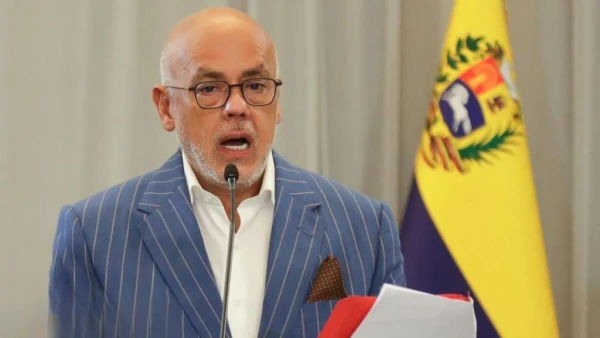
"Legislative processes are dynamic processes. That law responded to a very specific moment in a particular situation that Venezuela was going through." — Jorge Rodríguez, Speaker of Venezuela’s National Assembly
A Law Born from Political Strife
The Simón Bolívar Law, named after Venezuela’s independence hero, was passed in the aftermath of the July 2024 presidential election, which was widely condemned for lacking transparency. The legislation targeted individuals who had supported or requested foreign sanctions against Venezuela, imposing a lifetime ban from political office and asset seizures.
Critics, including opposition leaders and international observers, argued the law was a tool for political persecution, designed to silence dissent. However, Jorge Rodríguez, the National Assembly speaker and brother of interim President Delcy Rodríguez, claimed no politician had ever faced its provisions—a statement that has done little to quell skepticism.
Fragile Talks and Unresolved Divisions
Since assuming office at the start of 2025, Delcy Rodríguez’s government has engaged in negotiations with opposition factions, aiming to draft a "route map towards democracy." The repeal of the Simón Bolívar Law is one of several reforms under discussion, though concrete details remain scarce. The government has pledged to hold free and fair elections, though no date has been set.
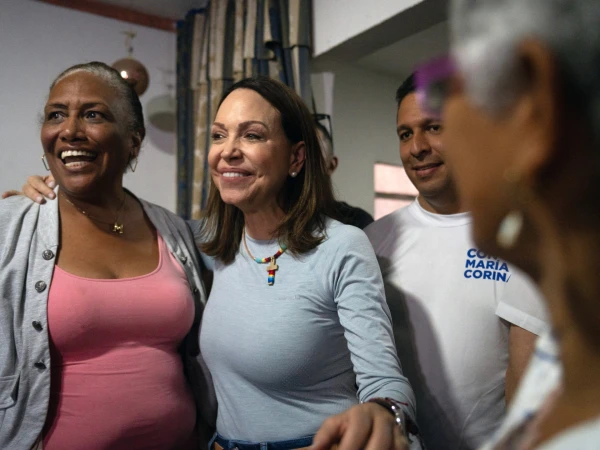
Opposition leader María Corina Machado, who returned to Venezuela in October 2024 after a decade in exile, remains a central figure in the political landscape. Despite her exclusion from transition talks, Machado has signaled her intent to run for office if elections are held. Her ally, Edmundo González, ran in her place during the 2024 election after Machado was barred from participating by Maduro’s government.
A Disputed Election and Lingering Doubts
The 2024 election, which saw Nicolás Maduro declared the winner, was marred by allegations of fraud. The opposition, including Machado and González, argued that González had actually won, pointing to unofficial vote tallies as evidence. The electoral authority, widely seen as aligned with the government, dismissed these claims without releasing detailed results.
The interim government’s decision to repeal the Simón Bolívar Law may be a step toward reconciliation, but skepticism lingers. With Machado’s exclusion from negotiations and no clear timeline for elections, the path to genuine democratic reform remains uncertain.