Virgin Atlantic has quietly exited two key Middle Eastern markets, terminating all flights to Saudi Arabia and the United Arab Emirates as geopolitical tensions and shifting travel demand reshape its long-haul strategy.
The London-based carrier confirmed in its latest schedule submission that it will not operate services to Riyadh or Dubai in the first half of 2027, marking the end of a brief but turbulent chapter in its expansion plans. The decision follows a broader retreat from the region by airlines grappling with the fallout from the war in Iran and its ripple effects across the Gulf.
"The evolving situation in the Middle East has fundamentally altered the operating environment," a Virgin Atlantic spokesperson stated, echoing similar warnings from competitors like British Airways, which has scaled back its Dubai operations amid reduced traveler confidence.
Virgin’s exit from Saudi Arabia was particularly abrupt. After launching a daily Heathrow-Riyadh route in March 2025 with an Airbus A330-900, the airline pulled the plug just one year later, citing "demand and operating costs" as key factors. The move came as capacity in the London-Riyadh market surged by 38% in 2025, nearly tripling pre-pandemic levels. Rivals like British Airways and Riyadh Air also expanded their presence, intensifying competition and squeezing margins.
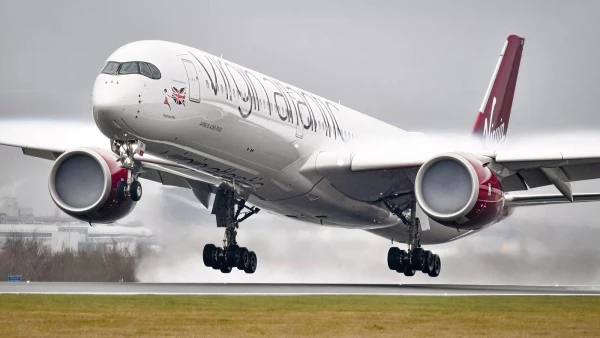
The UAE route met a similar fate. Virgin suspended Heathrow-Dubai flights in March 2026, ending a three-year revival that had seen the airline deploy its largest aircraft, the Airbus A350-1000, on the route. While the carrier has hinted at a potential return in winter 2027/2028, the timing remains uncertain as the region’s travel landscape continues to evolve.
In a strategic pivot, Virgin is redirecting its focus to Asia, adding South Korea and Thailand to its network for the first time. The airline launched a nonstop Heathrow-Phuket service in October 2026, positioning itself to capitalize on growing demand for leisure travel in Southeast Asia while avoiding the volatility of the Middle East.
The shakeup reflects broader challenges facing the aviation industry, where geopolitical instability and shifting consumer preferences are forcing carriers to reassess their global footprint. For Virgin Atlantic, the retreat from Saudi Arabia and the UAE signals a pragmatic shift toward markets with more stable demand—and fewer external risks.
Virgin Atlantic was contacted for comment but did not provide additional details beyond its initial statement.