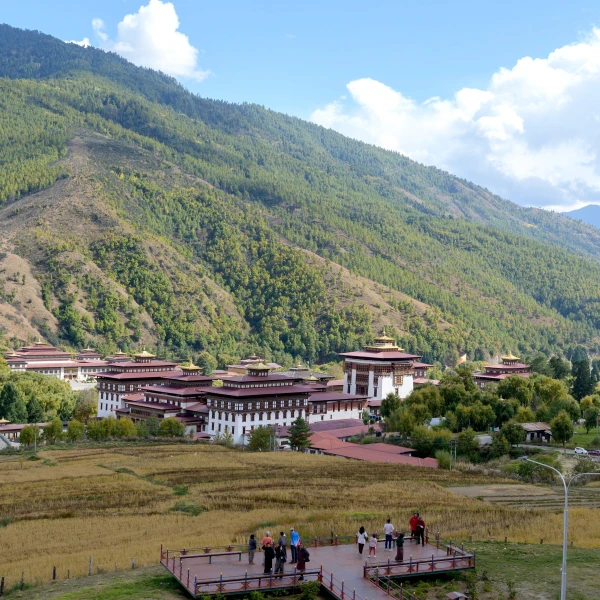
The misty peaks of the Himalayas have long framed Bhutan as a land frozen in time—a place where ancient monasteries and the philosophy of gross national happiness defined its identity. But a wave of young Bhutanese is shattering that image, blending tradition with modern ambition in ways that are transforming the kingdom’s cultural landscape.
In the capital, Thimphu, the scent of wood-fired pizza now mingles with the incense of morning prayers. Cafés with exposed brick ovens serve slices to tourists, while monks in saffron robes scroll through smartphones between chants. The contrast is striking: a country where prayer flags flutter alongside Wi-Fi signals, and where the pursuit of happiness is giving way to the pursuit of opportunity.
"We’re not rejecting our heritage," says 28-year-old Karma Dorji, who left a government job to open Dragon’s Hearth, Thimphu’s first wood-fired pizzeria. "We’re expanding it. Bhutanese food is rich, but the world wants variety. Why not give them both?"
Dorji’s restaurant is just one example of a broader trend. Across Bhutan, young entrepreneurs are launching boutique hotels, craft breweries, and even coworking spaces, catering to a growing wave of digital nomads and adventure seekers. The government, long focused on measuring happiness over GDP, has begun to embrace these changes, loosening restrictions on foreign investment and promoting sustainable tourism.
Yet the shift isn’t without tension. Traditionalists worry that Bhutan’s soul is being diluted by globalization. "Our identity is in our monasteries and our mountains," argues 72-year-old Lama Tenzin, a monk at Tango Monastery. "But I see the young monks using apps to study scriptures. Maybe change isn’t so bad—if it brings wisdom, not just wealth."
For travelers, the new Bhutan offers a paradox: a place where you can meditate at sunrise and sip craft beer at sunset, where ancient chants echo through valleys and the hum of drones fills the sky. The kingdom’s transformation reflects a global truth—tradition and modernity are no longer opposites, but partners in progress.
"Bhutan isn’t just a destination anymore," says Dorji. "It’s a conversation."