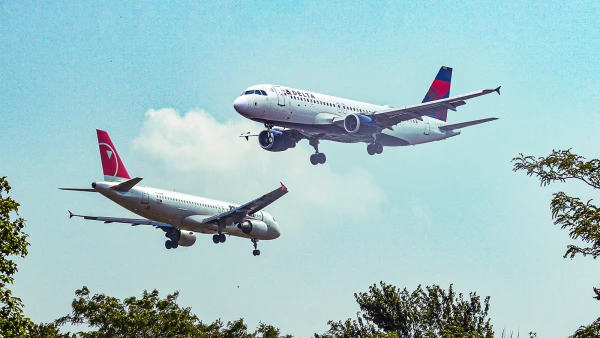
Delta Air Lines has quietly flown some of its oldest Airbus A320s for nearly three decades—aircraft that still carry the faded tail numbers of an airline that vanished from the skies more than 25 years ago.
The jets, which entered Delta’s fleet in the mid-1990s, were originally built for Pan Am, the legendary American carrier that collapsed in 1991. When Pan Am folded, its remaining assets—including unsold aircraft—were snapped up by other airlines. Delta acquired several of these planes, but instead of repainting their tails, the airline left the original tail numbers intact. Today, those numbers—once emblazoned with Pan Am’s iconic blue globe logo—remain as silent witnesses to aviation history.
The practice of retaining original tail numbers is rare in aviation, where airlines typically repaint aircraft to reflect their own branding. Delta’s decision to leave the Pan Am markings untouched has turned the jets into flying relics, sparking curiosity among aviation enthusiasts and passengers alike.
“It’s a piece of history that’s still in the air every day,” said an aviation historian who requested anonymity. “Those tail numbers are a reminder of an era when Pan Am was a global powerhouse.”
The Airbus A320s in question were part of a larger fleet of aircraft Delta acquired from Pan Am’s remnants. While most of the airline’s assets were liquidated, Delta held onto these planes, repurposing them for its own operations. Over the years, the jets have undergone maintenance and upgrades, but their original tail numbers have remained a constant.
For aviation buffs, spotting one of these planes is like finding a hidden gem. The tail numbers—such as N321US or N322US—hint at a bygone era, when Pan Am was a dominant force in global aviation. Today, those numbers are a subtle nod to the past, carried by aircraft that continue to serve Delta’s modern fleet.
While the jets may lack the glamour of Pan Am’s golden age, their endurance is a testament to the durability of Airbus’s design. As Delta continues to operate these aircraft, they serve as a reminder of how aviation history can linger in the most unexpected places.