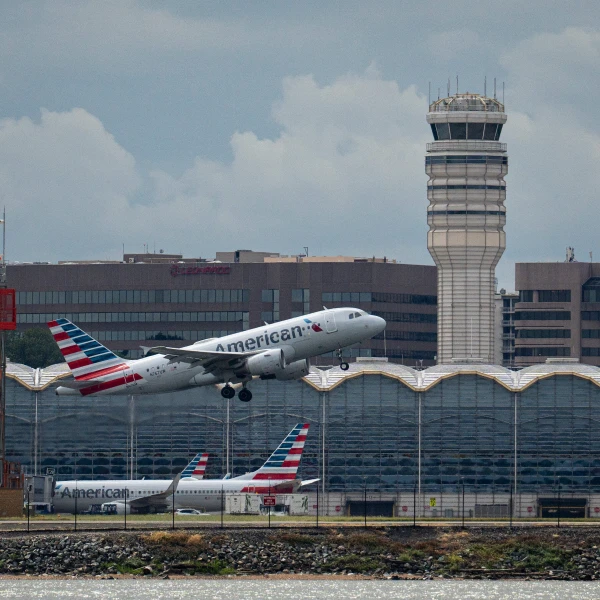
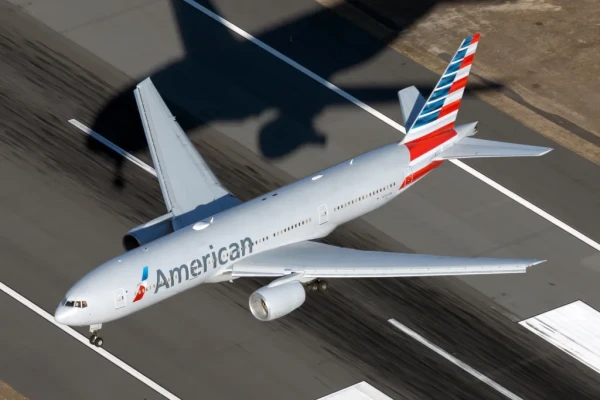
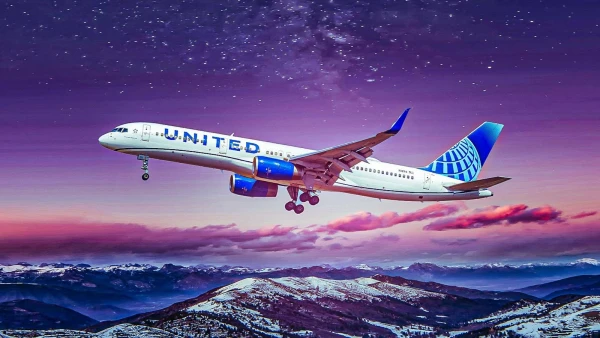
A growing body of research and regulatory scrutiny suggests that three dominant airline alliances—United Airlines with Lufthansa and Star Alliance partners, Delta Air Lines with Air France-KLM and Virgin Atlantic, and American Airlines with British Airways and Iberia—may be artificially inflating transatlantic airfares by coordinating pricing on overlapping routes.
These alliances operate under antitrust immunity, a legal exemption that allows partners to jointly set fares, schedules, and revenue-sharing agreements on routes where their networks overlap. Unlike standard codeshare agreements, where each airline independently prices its own flights, antitrust immunity transforms these partnerships into de facto cartels on certain routes, critics argue. The Department of Justice (DOJ) and Department of Transportation (DOT) have both examined this issue, revealing a complex picture where competition is reduced on nonstop flights while connecting passengers may benefit from lower fares.
The Price of Reduced Competition
A 2026 analysis by DOJ economists found that when airlines in a joint venture lose a competitor on a nonstop route, fares rise by an average of 7%—a statistically significant increase. For example, United Airlines and Brussels Airlines were observed selling identical seats on the same Brussels-bound flight at the same price, a practice critics say resembles price-fixing. The study also noted that nonstop fares averaged 8.3% higher than connecting fares, yet most economy passengers still opted for nonstop service, suggesting limited alternatives.
"The data strongly indicates that reduced competition leads to higher prices," said a DOJ economist involved in the research. "When airlines stop competing directly on a route, passengers pay the price."
The Counterargument: Efficiency for Connecting Travelers
Proponents of airline alliances argue that the coordination between partners actually lowers fares for most travelers by improving network efficiency. A 2019 study by economists Jan Brueckner and Ethan Singer, commissioned by the DOT, found that joint venture itineraries were priced about 7.2% below interline tickets (where passengers book separate flights with different airlines). On transatlantic routes, the discount reached roughly 9% across all cabin classes.
"The key benefit of these alliances is that they allow airlines to offer seamless connections, which reduces costs and fares for passengers traveling between multiple cities," explained Brueckner. "The efficiency gains often outweigh the drawbacks of reduced competition on nonstop routes."
Conflicting Evidence and Regulatory Challenges
The same DOT study, however, uncovered evidence that critics cite to challenge the alliances. In later years of its 1997–2016 sample, the study found that granting immunity to two previously unaligned carriers on an overlapping route was equivalent to removing a competitor, leading to fare increases of 4% to 13% in economy class. Business class fares, however, showed no such effect, leaving the debate unresolved.
Regulatory hurdles further complicate efforts to rein in these alliances. A federal appeals court recently overturned a DOT decision to terminate the Delta-Aeromexico joint venture, citing insufficient evidence. The court ruled that the DOT had relied too narrowly on conditions at a single airport rather than conducting a comprehensive analysis of specific routes. Future challenges to airline alliances will now require route-level fare data, much of which is outdated, as the DOJ’s study uses data through 2010 and the DOT’s research ends in 2016.
Barriers to Entry and the Future of Competition
Critics argue that the harm from these alliances persists because new competitors struggle to enter the market. Slot scarcity at major hubs like London Heathrow—where slots can sell for tens of millions of dollars—makes it nearly impossible for new airlines to challenge incumbents. The DOJ economists noted that applicants for antitrust immunity often fail to provide concrete plans for new service, with American Airlines launching Dallas/Fort Worth to Madrid more than a year before receiving immunity.
"The barriers to entry are so high that even well-funded airlines can’t compete," said a spokesperson for a consumer advocacy group. "Without meaningful competition, passengers have no choice but to pay inflated fares."
A Path Forward?
The research suggests that a balanced approach may be necessary—one that acknowledges the efficiency benefits of alliances while addressing their anti-competitive effects. Some experts propose tying antitrust immunity to specific conditions, such as capacity commitments or slot divestitures on overlapping routes, with published fare data to verify compliance.
"The current system is a patchwork of half-measures," said an industry analyst. "Until regulators require real-time transparency and enforceable remedies, the debate over airline alliances will remain unresolved."
For now, passengers flying between the U.S. and Europe will continue to face a mix of high nonstop fares and discounted connecting options, with the true cost of airline alliances remaining a subject of intense debate.