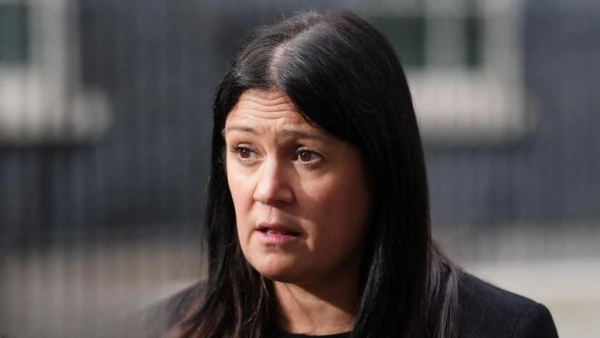
Culture Secretary Lisa Nandy has stated that it is a "personal decision" for Prime Minister Keir Starmer whether to contest any potential leadership challenge, amid growing pressure from within his own party.
Speaking on the BBC's Sunday with Laura Kuenssberg, Nandy emphasized that Starmer has "shown before that he's up for a fight" and cautioned against writing him off. Her comments follow a difficult week for the Prime Minister, during which nearly 90 Labour MPs urged him to resign and five ministers stepped down.
Nandy also expressed strong support for Greater Manchester Mayor Andy Burnham, whom she described as a "really important voice" that should be heard at the heart of Westminster. Burnham is seeking to return to Parliament by standing in the upcoming Makerfield by-election, and is widely expected to launch a leadership bid if successful.
When asked directly whether Starmer should be replaced, Nandy replied: "No I don't. If I did I wouldn't be in his cabinet." She defended his record, noting his landslide general election victory in 2024 after many had written him off.
However, she acknowledged that last week's poor local election results for Labour indicate that "people feel they haven't seen enough fight from us." She added: "We have fought for people but the message is loud and clear, they want to see us on the pitch fighting harder, speaking louder and doing more."
Nandy, who campaigned alongside Burnham in Makerfield on Saturday, ruled out standing in any future leadership contest herself.
The by-election is seen as a critical test for Labour. Conservative Leader Kemi Badenoch dismissed the significance of who leads Labour, stating: "It doesn't matter whether it's Andy Burnham or Keir Starmer, the problem is the Labour Party."
Meanwhile, the UK's relationship with the European Union is emerging as a potential flashpoint in any leadership race. Health Secretary Wes Streeting recently described leaving the EU as a "catastrophic mistake" and suggested the UK should "one day" rejoin. Nandy, who campaigned for Remain in 2016, cautioned against framing the EU as a solution to deep-seated issues in towns like Wigan, pointing to long-standing problems of deindustrialisation and declining living standards.