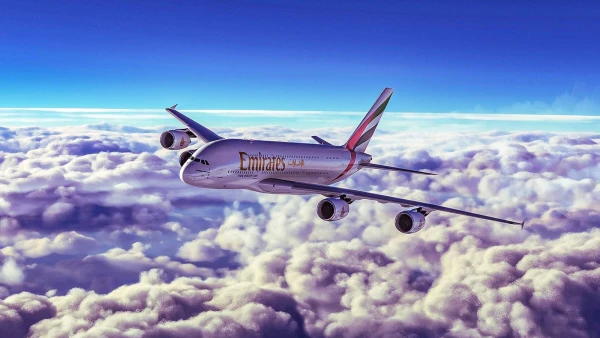
Emirates is quietly redefining transatlantic and inter-American travel with three fifth-freedom routes that let passengers fly between U.S. and foreign cities without ever touching Dubai. The Dubai-based airline operates these flights under aviation rules that allow carriers to carry local passengers on segments beyond their home hub, effectively turning layovers into standalone journeys.
The three routes—JFK–MXP, EWR–ATH, and MIA–BOG—are more than just operational quirks; they’re a calculated expansion of Emirates’ global network. The JFK–MXP and EWR–ATH links connect major U.S. hubs to Southern Europe, while the MIA–BOG route bridges North and South America, offering travelers direct options that bypass traditional transit points. Emirates’ ability to sell tickets solely for these segments means passengers can book a flight from Bogotá to Milan via Miami and New York, all on a single ticket.
“Fifth-freedom rights allow us to optimize our fleet and meet demand in markets where local traffic complements our long-haul services.” — Emirates spokesperson
How Emirates’ Fifth-Freedom Routes Work
Emirates’ fifth-freedom flights are not random additions to its schedule. Instead, they are carefully designed to align with aircraft performance, airport conditions, and passenger demand. For example, the MIA–BOG route takes advantage of Miami’s strategic location and Bogotá’s high-altitude airport, which limits payload capacity on ultra-long-haul flights. By using a Boeing 777 for the 1,513-mile (2,435-km) segment, Emirates can efficiently ferry passengers between the two cities while maintaining schedule reliability.
The JFK–MXP and EWR–ATH routes, meanwhile, serve as extensions of Emirates’ Dubai-based services, allowing the airline to capture both local transatlantic demand and connecting traffic to and from the UAE. These routes are operated as part of longer flights originating in Dubai, with the intermediate stops acting as natural stepping stones for passengers traveling between the U.S. and Europe.
The Political Tightrope of Fifth-Freedom Flights
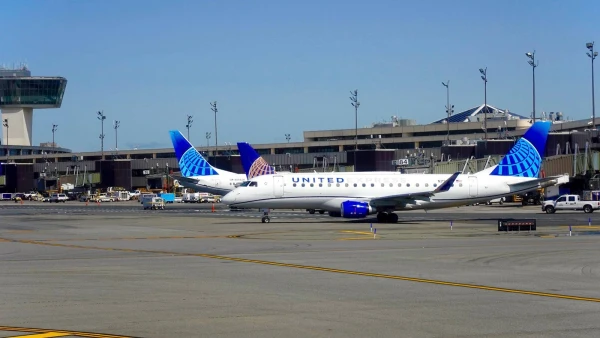
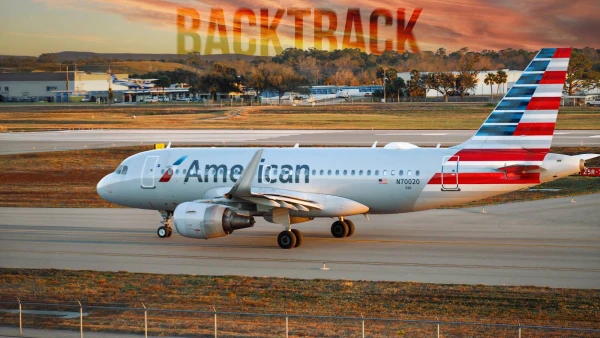
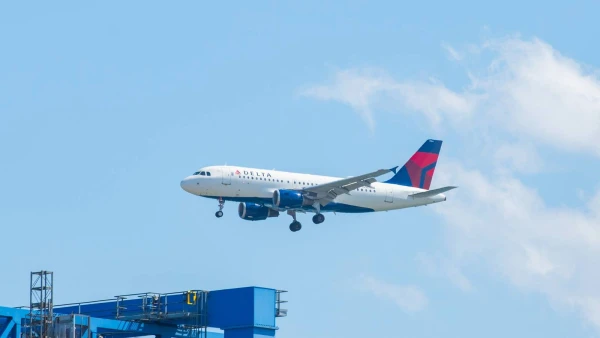
Emirates’ fifth-freedom operations have not gone unchallenged. U.S. legacy carriers like American Airlines, Delta Air Lines, and United Airlines have long argued that Gulf airlines, including Emirates, receive unfair state subsidies that distort competition. Through the Partnership for Open & Fair Skies, these carriers have lobbied against the expansion of fifth-freedom rights, alleging that Emirates and other Gulf carriers benefit from billions in government support.
Emirates has pushed back against these claims, emphasizing its commercial operations and profitability. The airline points to its history of dividend payouts and profit-sharing as evidence of its independent financial standing. Despite the controversy, Emirates has not ruled out adding more fifth-freedom routes in the future, though any expansion would face intense scrutiny from U.S. regulators and competitors.
For travelers, Emirates’ fifth-freedom flights offer a rare opportunity to bypass traditional transit hubs and experience direct, long-haul connections. For the airline, they represent a strategic tool to maximize fleet utilization and tap into high-demand markets. As geopolitical and industry dynamics continue to evolve, these routes may become even more critical to Emirates’ global strategy—or the subject of further regulatory battles.