Iran Takes Legal Battle to US and EU Courts Over Alleged War Crimes
In a bold move to seek justice for alleged war crimes, Iran has filed lawsuits in courts across the United States and Europe, demanding accountability and compensation. The legal actions mark a significant escalation in Iran’s efforts to hold foreign entities accountable for actions it claims violated international law during past conflicts.
Legal experts warn, however, that the path to success is fraught with obstacles. Sovereign immunity laws in many jurisdictions shield foreign governments from lawsuits, while diplomatic tensions could further complicate proceedings. "The hurdles are substantial," said international law professor Dr. Elena Vasquez. "Even if the cases proceed, enforcing judgments against sovereign states is notoriously difficult."
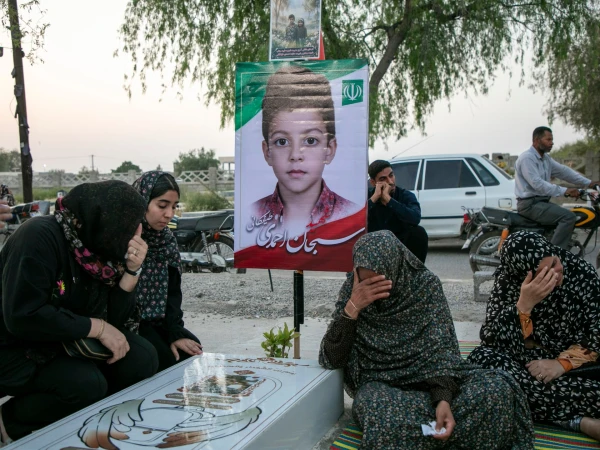
The lawsuits allege that certain actions—including attacks on civilian infrastructure and alleged human rights violations—constitute war crimes under international law. Iran’s government has framed the legal battle as a moral imperative, arguing that justice must prevail regardless of political or diplomatic barriers.
"We are not seeking revenge. We are seeking the truth and reparations for the victims of these crimes." — Nasser Kanani, Iranian Foreign Ministry spokesperson
"We are not seeking revenge," stated Iranian Foreign Ministry spokesperson Nasser Kanani. "We are seeking the truth and reparations for the victims of these crimes."
Critics, however, question the timing and motives behind the lawsuits, suggesting they may be more about political posturing than genuine legal pursuit. The cases come amid heightened tensions between Iran and Western nations, raising concerns about the potential for further escalation.
As the legal battles unfold, the international community will closely watch whether Iran’s strategy yields any tangible results—or if the courts will ultimately side with the legal protections that have long shielded foreign governments from such claims.