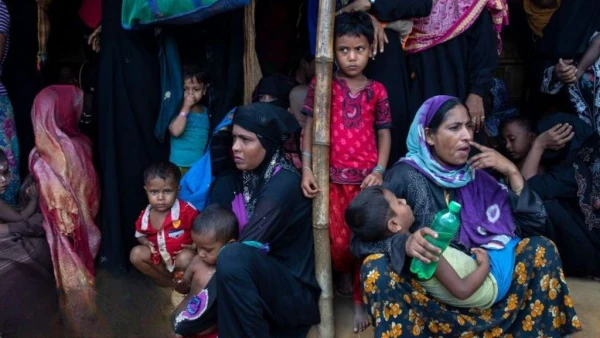
UK Imposes Sanctions on Myanmar Military Leaders Following Landmark Genocide Verdict
The United Kingdom has taken decisive action against Myanmar’s military leadership, imposing sanctions on five senior generals in response to the International Court of Justice’s (ICJ) historic ruling that the country committed genocide against the Rohingya minority.
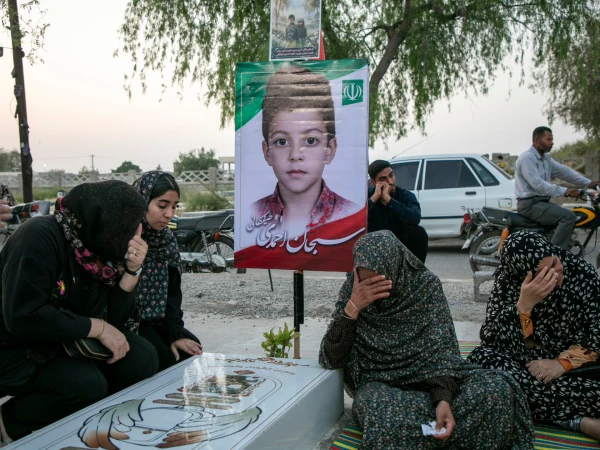
In a landmark decision last week, the ICJ determined that Myanmar’s 2017 military crackdown—marked by mass killings, sexual violence, and the destruction of entire villages—constituted genocide. The court’s judgment, delivered by a 9-6 majority, found that "genocidal intent" was the only reasonable conclusion based on the evidence presented. The ruling also confirmed Myanmar’s violation of multiple provisions of the 1948 Genocide Convention.
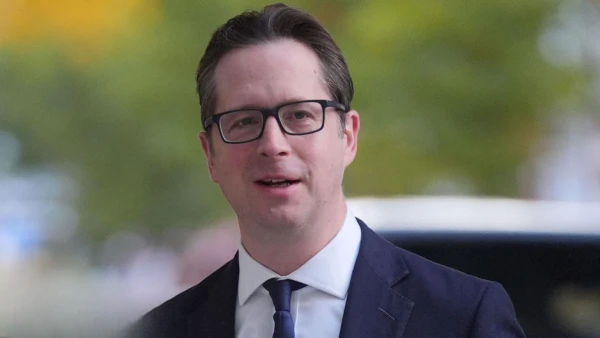
Foreign Secretary Ed Miliband condemned the atrocities, stating that the UK’s response must align with its values and be backed by concrete action. "Genocide is a crime that shocks the conscience of humanity, and our response must reflect that gravity," Miliband declared. The five sanctioned military leaders—Myo Htut Hlaing, Myo Min Tun, Myat Thet Oo, Kyaw Soe, and Kyaw Swar Oo—are now subject to asset freezes and travel bans.
"Genocide is a crime that shocks the conscience of humanity, and our response must reflect that gravity." — Foreign Secretary Ed Miliband
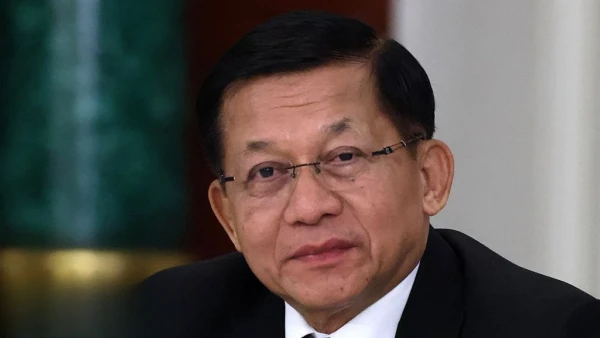
Miliband also held Myanmar’s current leader, Min Aung Hlaing, directly accountable for the genocide, noting that he was the military’s commander-in-chief during the 2017 campaign. "His leadership was central to the orchestration of these horrific crimes," Miliband said. The foreign secretary reiterated calls for Myanmar to halt ongoing human rights violations, investigate and prosecute perpetrators, and ensure such atrocities never recur.
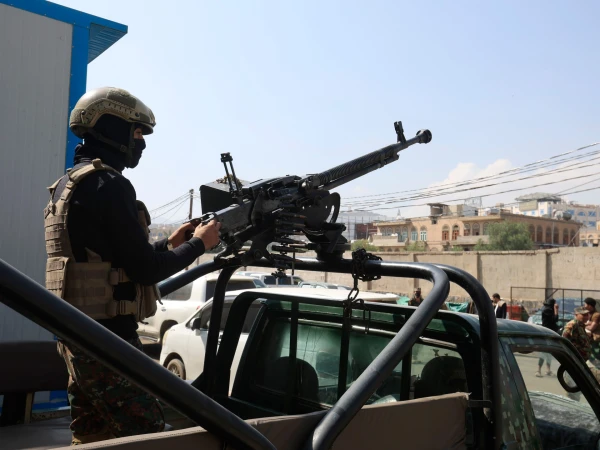
In a sweeping policy shift, the UK announced it would introduce legislation to ban the supply of aviation fuel to Myanmar, a move aimed at curbing the military’s ability to conduct airstrikes on civilians. Miliband confirmed that the UK would raise the issue at the UN Security Council this week, with a dedicated meeting scheduled in two weeks to address the crisis.
Myanmar has consistently denied the allegations, but the ICJ’s verdict has intensified international pressure. The UK’s sanctions align with similar measures announced by Australia, Belgium, Portugal, Spain, and Canada, signaling a coordinated global response.
Miliband also demanded an immediate halt to hostilities, the release of political prisoners, and the resumption of humanitarian aid. "The suffering of the Rohingya must not be forgotten," he said. "The international community will not stand idly by while atrocities continue."
The sanctions mark a significant escalation in the UK’s stance against Myanmar’s military junta, which seized power in a 2021 coup that ousted civilian leader Aung San Suu Kyi. Since then, the junta has faced widespread condemnation for its violent suppression of dissent and ongoing campaigns against ethnic minorities, including the Arakan Army.
As the world reacts to the ICJ’s ruling, the pressure on Myanmar’s military leadership grows. Whether the sanctions and diplomatic efforts will compel the junta to change course remains uncertain, but the international community’s resolve appears unshaken.