Myanmar Defies ICJ Genocide Ruling, Vows to Ignore 'Inappropriate' Demands
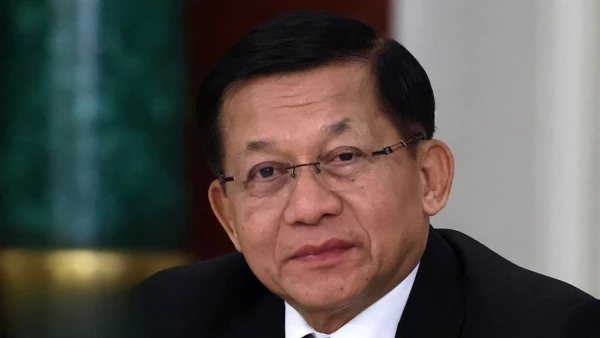
Myanmar’s military leader Min Aung Hlaing has declared the country will reject portions of the International Court of Justice’s (ICJ) genocide ruling, calling the allegations an attack on the nation’s reputation.
In his first public response to the landmark decision, Min Aung Hlaing stated that while Myanmar would act as a "responsible country," it would not comply with what it deemed "inappropriate" requirements. The statement, delivered during a state media broadcast on Wednesday, did not specify which aspects of the ruling the regime found objectionable.
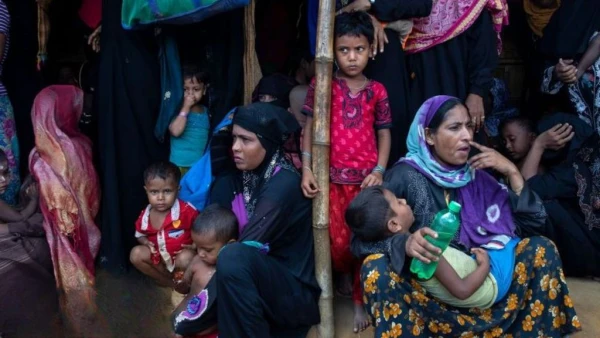
The ICJ’s verdict, issued last week, found Myanmar guilty of committing genocide against the Rohingya minority during a 2017 military crackdown in Rakhine State. The operation, described by the court as a series of "clearance operations," resulted in the deaths of approximately 10,000 Rohingya and forced over 700,000 to flee to Bangladesh. An estimated 815,000 Rohingya were subjected to violence, persecution, or displacement.
The ruling, delivered by a 9-6 majority of international judges, also determined that Myanmar violated multiple provisions of the 1948 Genocide Convention. While the decision is legally binding and cannot be appealed, the ICJ lacks enforcement power, relying instead on political pressure and the UN Security Council to compel compliance.
"Myanmar would act as a 'responsible country,' but it would not comply with what it deemed 'inappropriate' requirements." — Min Aung Hlaing
Myanmar has long denied the genocide allegations, arguing its military actions were a justified response to attacks by armed groups. The regime’s defiance comes despite the court’s orders to halt ongoing violations, investigate perpetrators, and pay reparations—though the exact amount remains undetermined.
The ruling has been met with cautious optimism by Rohingya communities and human rights organizations, who view it as a long-overdue acknowledgment of their suffering. Over a dozen nations, including the UK, have publicly supported the ICJ’s decision, with London imposing sanctions on several senior Myanmar military officials in response.
Since seizing power in a 2021 coup that ousted civilian leader Aung San Suu Kyi, Min Aung Hlaing has struggled to restore Myanmar’s international standing. The military regime remains isolated, facing widespread sanctions and exclusion from key diplomatic forums as civil war rages across the country.