Travelers hunting for luxury at a bargain price are discovering an unlikely hack: booking a cheap positioning flight to a different city before their long-haul journey. By departing from a secondary airport instead of a major hub, savvy flyers are cutting business class fares by nearly half—without sacrificing comfort or convenience.
“Modern airline pricing software no longer calculates fares based purely on total flight distance. Instead, algorithms evaluate local market demand, competition, and hub dominance to set prices.” — Industry analysis on dynamic yield management
The Pricing Paradox: Hubs vs. Secondary Airports
For decades, frequent flyers assumed their home airport was the cheapest starting point for international trips. Today, that logic is being flipped on its head. Airlines now set fares based on where a passenger originates—not just the destination—using dynamic pricing engines that adjust in real time.
Take the London-to-New York route. A direct business class ticket from Heathrow (LHR) can exceed $4,000 during peak seasons. Yet the same journey, when booked from Dublin (DUB), Lisbon (LIS), or Milan (MXP), often drops below $2,200—even when the itinerary includes a connection back through London. The reason? Airlines view these secondary cities as competitive battlegrounds where they must slash prices to attract passengers away from rival carriers.
The disparity is even starker in East Asia. High corporate demand keeps fares elevated out of Tokyo’s Haneda (HND) and Narita (NRT) airports. Travelers positioning to Seoul Incheon (ICN) or Taipei Taoyuan (TPE) can cut transpacific business class fares by thousands, simply by adding a short regional hop to their trip.
Taxes and Competition: The Hidden Cost Drivers
Government taxes and airline yield algorithms amplify these pricing gaps. In the UK, passengers departing Heathrow in premium cabins face an Air Passenger Duty tax of £244–£253 ($310–$320) per flight. By contrast, a short positioning flight to Dublin or a mainland European gateway incurs minimal departure taxes, instantly saving hundreds of dollars—before even accounting for the airline’s base fare discounts.
This dynamic is most pronounced in Europe, where cities like Dublin, Lisbon, Madrid, Milan, Oslo, and Stockholm consistently offer the continent’s lowest long-haul business class fares. The reason? Fierce competition between national flag carriers, low-cost long-haul operators, and foreign airlines vying for market share outside their primary domestic territories.
The Rise of Fifth-Freedom Routes
Another tool savvy travelers are using to unlock cheaper premium cabins is the fifth-freedom flight—a route that allows an airline to carry passengers between two foreign countries as part of a longer journey. These carriers operate without a native passenger base in either city, so they rely on competitive pricing to fill their premium cabins.
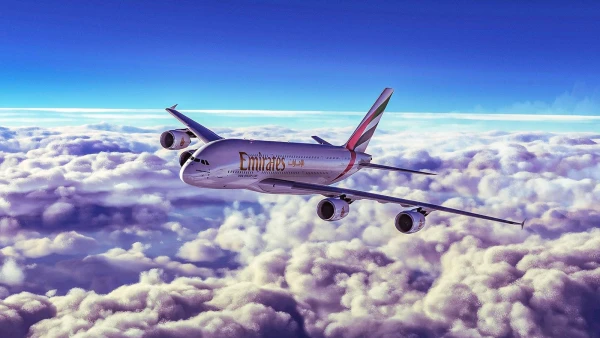
Examples abound. Singapore Airlines operates a fifth-freedom route between Frankfurt (FRA) and New York JFK, while Emirates flies between Milan Malpensa (MXP) and New York JFK. On these sectors, passengers receive flagship long-haul business class service at a fraction of the cost of a direct flight from a major hub.
For travelers willing to embrace a little extra planning, the rewards are clear: a short positioning flight can unlock thousands in savings, turning what was once a luxury reserved for corporate budgets into an accessible indulgence.